How Much Does UX Design Cost in Australia? 2026 Rates Breakdown
Published:
Reading time:
Category:

Content


UX Design Rates in Australia: Hourly Benchmarks
Before we get to numbers, it is worth being precise about what "UX design" covers, because agencies scope it differently and that is the source of most apples-to-oranges pricing confusion.
UX design can mean any combination of the following: user research and discovery (interviews, surveys, competitor audits), information architecture and user flow mapping, wireframing and low-fidelity prototyping, high-fidelity UI design and visual systems, usability testing and iteration, and developer handoff with specs and assets.
A quote for $5,000 might cover three high-fidelity screens. A quote for $50,000 might cover everything from stakeholder workshops through to developer-ready Figma files. Neither quote is wrong, but the two quotes are not the same product.
When comparing quotes, the first thing to check is what is actually in scope. A cheaper quote with discovery stripped out transfers the risk of getting the flows wrong back to the founder and fixing structural UX mistakes after development costs far more than getting them right upfront.
What UX Design Actually Includes (and Why It Affects Price)
Australian UX design rates sit roughly mid-range globally: higher than Southeast Asia and South Asia, lower than the US and UK. Senior Australian designers charge in the $120–$200/hr range, and agencies operate at $100–$200/hr depending on specialisation and overhead.
Hourly rates are a starting point, not a budget. A junior designer at $50/hr who takes three times as long as a senior designer at $150/hr often costs more and ships a weaker product. Total cost matters more than the rate card.
Designer Type | Hourly Rate (AUD) | Best For |
|---|---|---|
Junior freelancer | $40 – $70/hr | Simple pages, basic wireframes, tight budgets |
Mid-level freelancer | $70 – $120/hr | Standard flows, SaaS screens, product design |
Senior freelancer / specialist | $120 – $200/hr | Complex systems, strategy-led engagements |
Australian design agency | $100 – $200/hr | Full-scope projects, research, handoff included |
Offshore agency (vetted) | $30 – $80/hr | High volume, cost-sensitive scopes |

UX Design Rates in Australia: Hourly Benchmarks
Here is how typical Australian project budgets break down by scope and complexity in 2026.
For SaaS founders specifically, a well-scoped 3-week design sprint focused on onboarding activation typically lands between $8,000 and $18,000 with an experienced SaaS design agency. That is the kind of engagement that can move a 34% trial activation rate to 61% in 90 days which is the metric that matters.
Single user flow / feature | $1,500 – $5,000 | Wireframes + UI for one core flow (onboarding, checkout) |
MVP app design (10–20 screens) | $8,000 – $25,000 | Core flows, basic design system, Figma handoff |
SaaS product redesign | $20,000 – $60,000 | Research, full IA, redesigned flows, component library |
Mobile app (iOS or Android) | $18,000 – $55,000 | Full screen coverage, interaction design, prototyping |
Multi-platform (web + mobile) | $50,000 – $150,000+ | Unified design system, research, multi-device coverage |
Enterprise platform / portal | $80,000 – $250,000+ | Workshops, multi-role UX, compliance, long-form delivery |
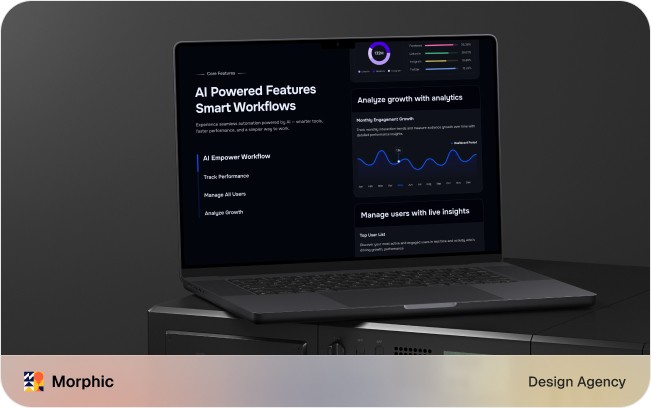
UX Design Costs by Project Type (Australia, 2026)
UX design cost varies by Australian city because designer supply, agency overhead, and local demand differ between markets. Melbourne and Sydney command the highest rates because both cities concentrate senior product designers and funded startups; Brisbane, Perth, and Adelaide typically run 10–20% lower for comparable scopes.
Melbourne UX design rates cluster at the top of the national range, driven by a dense SaaS and startup ecosystem. Sydney UX design sits at a similar level, with fintech and enterprise demand pushing senior specialist rates toward $200/hr. Brisbane, Perth, and Adelaide offer lower agency rates without a quality trade-off, because remote-first delivery lets founders in those cities hire senior talent nationally rather than locally.
For founders, location matters less than it did five years ago. Most Australian design agencies now deliver remotely, so a Brisbane founder can retain a Melbourne senior designer at the same rate a Melbourne founder pays. Scope and seniority drive cost far more than postcode.
City | Typical Agency Rate (AUD) | Market Driver |
|---|---|---|
Melbourne | $120 – $200/hr | Dense SaaS and startup ecosystem |
Sydney | $120 – $200/hr | Fintech and enterprise demand |
Brisbane | $100 – $170/hr | Growing startup scene, lower overhead |
Perth | $100 – $160/hr | Smaller pool, remote hiring common |
Adelaide | $90 – $150/hr | Cost-competitive, remote-first delivery |
UX Design Cost by City: Melbourne, Sydney, Brisbane, Perth
How an agency charges tells you something about how it thinks about risk and how predictable your costs will be.
Project-based (fixed scope): A defined scope, a fixed price, agreed deliverables. Project-based pricing is best when you know exactly what you need an MVP, a redesigned onboarding flow, a specific feature set. You get budget certainty, and changes outside the agreed scope generate change orders. Most common range: $5,000 – $80,000 depending on scope.
Monthly retainer: A fixed monthly fee reserves design capacity on an ongoing basis. You pay for hours, support, and strategic continuity. A retainer is best for growth-stage companies shipping features continuously and needing a design partner rather than a project vendor. Typical range in Australia: $3,499 – $12,000/month depending on hours and team composition.
Hourly / time & materials: No scope commitment. You are billed for time used. Hourly billing is flexible but unpredictable, and best for UX audits, short advisory engagements, or early-stage exploration where requirements are not fixed yet. Typical range: $100 – $200/hr for experienced Australian agencies.

Pricing Models: Project, Retainer, or Hourly?
The question is not really “freelancer or agency“ it is “what do I need, and who is structured to deliver it?”
For a well-defined project under $15,000 with clear requirements and low strategic complexity, a strong freelancer can be excellent value. For anything involving research, complex flows, or a product where UX will directly drive revenue, an agency that treats design as a business outcome not a deliverable generally produces better ROI.
Freelancer vs agency table
Factor | Freelancer | Agency |
|---|---|---|
Cost | Lower hourly rate | Higher hourly rate, includes PM, QA, research |
Coordination | You manage | Agency manages internally |
Consistency | Variable between engagements | Consistent process and quality bar |
Speed | Depends on individual capacity | Structured sprints, dedicated team |
Strategic input | Limited unless specialist | Built into most agency engagements |
Risk | Higher (single point of failure) | Lower (team redundancy, process protection) |
Freelancer vs. Agency: What You're Actually Paying For
These factors legitimately increase the cost of a UX engagement: the number of user roles (more roles means more flows, more edge cases, more testing), product complexity (data density, conditional logic, real-time elements), research depth (user interviews and usability testing add time but reduce downstream risk), compliance requirements (WCAG accessibility, healthcare, fintech, or government standards), customisation (custom design systems, animations, and interactions versus component libraries), and timeline compression (rush delivery carries a premium).
Three things inflate quotes unnecessarily: designing for a five-year roadmap when you need an MVP, paying for enterprise documentation you do not need yet, and iterating on aesthetics before the core flows are validated.
The most consistent mistake founders make is confusing the number of screens with the cost of a project. Five screens with complex logic and multi-role permissions can cost more than thirty screens with predictable, linear flows. Scope the engagement around outcomes, not deliverable counts.
The number on an agency proposal is rarely your total spend. Budget a 10–15% contingency buffer on any design engagement. The buffer does not mean you will use it it means scope changes or an extra round of testing will not derail the project.
Revision rounds beyond agreed scope | +15–20% of project fee |
User recruitment for research or testing | +$2,000 – $5,000 |
Figma or design tool licensing | +$15–75/user/month |
Font and icon licensing | +$500 – $2,000 |
Post-launch design adjustments | +$2,000 – $5,000 per round |
Accessibility audit / WCAG certification | +$5,000 – $15,000 |
What Drives the Price Up (and What Doesn't Have To)
Morphic is a Melbourne-based design agency working specifically with SaaS and consumer app founders. Morphic does not build enterprise systems, government portals, or brochure websites; the focus is the specific challenge of turning a working product into one that activates users, reduces churn, and converts at a higher rate.
Morphic engagements are structured around outcomes rather than deliverable lists, with straightforward pricing and no hidden fees:
The Core plan is $3,499/month and includes 60 hours of dedicated design support, one active design request at a time, design kick-off workshops, and ongoing design system maintenance. Core is best for pre-seed SaaS founders who need reliable design capacity on one focused project at a time.
The Growth plan is $6,499/month and includes 120 hours of dedicated design support, up to four active design requests at a time, weekly design updates, and a design system built from scratch and maintained. Growth is best for seed to Series A teams shipping weekly and optimising for activation, conversion, and retention with measurable outcomes.
Both plans include a free 3-day trial before your first invoice, so you experience the work, the process, and the communication style before committing to a monthly retainer. See full Morphic pricing.
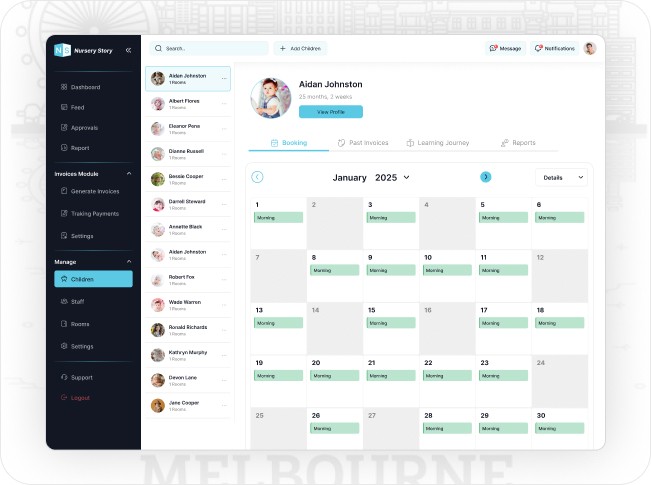
Hidden Costs Most Australian Founders Don't Budget For
A few principles consistently keep design budgets under control.
Define the outcome first, not the deliverable list: "lift onboarding activation from 38% to 60%" scopes an engagement better than "design 30 screens." Start with your highest-leverage flow, because you do not need everything redesigned you need the flows where users drop off redesigned first. Match the engagement model to your stability: fixed scope suits project-based pricing, ongoing feature releases suit a retainer, and exploratory work suits hourly. Lock scope before work starts, because late decisions generate change orders. Finally, ask what is not included revision limits, research recruitment, and handoff support are the line items most founders do not ask about until they appear on the bill
Where Morphic Fits
UX design pricing is a function of complexity, risk, and business impact, not just hours. The projects that cost the most are usually the ones where a poor design decision has the highest downstream cost: a broken onboarding flow on a SaaS product losing users, a checkout experience bleeding conversion, an enterprise portal nobody can navigate.
If you are a SaaS or consumer app founder in Australia trying to figure out what your next design engagement should cost and what it should deliver. Morphic gives a direct, honest answer with no obligation. Book a free scoping call.
Engagement Type | Cost Range (AUD) | Best For |
|---|---|---|
Single flow / feature sprint | $1,500 – $5,000 | Founders validating one journey before dev |
MVP app design | $5,000 – $20,000 | Pre-launch SaaS and consumer apps |
SaaS or app redesign | $20,000 – $60,000 | Growth-stage products with conversion problems |
Monthly retainer (Core) | $3,499/month | Continuous shipping, no in-house design team |
Monthly retainer (Growth) | $6,499/month | Scale-up with multiple design workstreams |
Enterprise / complex platform | $80,000 – $250,000+ | Multi-role systems, compliance, long delivery |
Key Takeaways

Founders searching "how much does UX design cost" get quotes ranging 40x apart, from $5,000 to $200,000+, because agencies scope "UX design" differently.
Australian UX design rates sit mid-range globally: senior freelancers charge $120–$200/hr and agencies operate at $100–$200/hr in 2026.
A well-scoped single user flow costs $1,500–$5,000; an MVP app design costs $8,000–$25,000; a SaaS product redesign costs $20,000–$60,000.
Hourly rate is not budget: a junior designer at $50/hr who takes three times longer than a senior at $150/hr costs more and ships a weaker product.
Morphic's Core retainer is $3,499/month for 60 hours of dedicated SaaS design support, with a 3-day free trial before the first invoice.

Emon Datta
Founder, Morphic Agency
Morphic Agency is a Melbourne-based UX design agency. We've shipped 50+ products across 15+ countries.